Most plumbing problems in South Florida don’t show up overnight. They build slowly behind walls, under slabs, and inside water heaters until one day they can’t be ignored. An average household’s leaks can waste nearly 10,000 gallons of water every year. That adds up fast. The good news? A few simple home plumbing maintenance tips can stop most of that before it starts, and we’ve put together the ones that matter most.
Why South Florida Plumbing Is Different
Plumbing here works harder than it does in most of the country. Our water table sits close to the surface, so many homes are built on concrete slabs with pipes running right underneath. Hard water leaves mineral buildup inside lines and fixtures. Salty coastal air speeds up corrosion on outdoor pipes and valves. Each of these wears pipes down faster than you’d expect.
Then there’s the heat, the heavy summer rain, and the storms that push sewer systems to their limit. That’s why generic advice from colder states doesn’t always fit. The plumbing maintenance tips for Miami homeowners below are shaped by the conditions we see on job sites across the region every week.
Schedule Regular Plumbing Maintenance
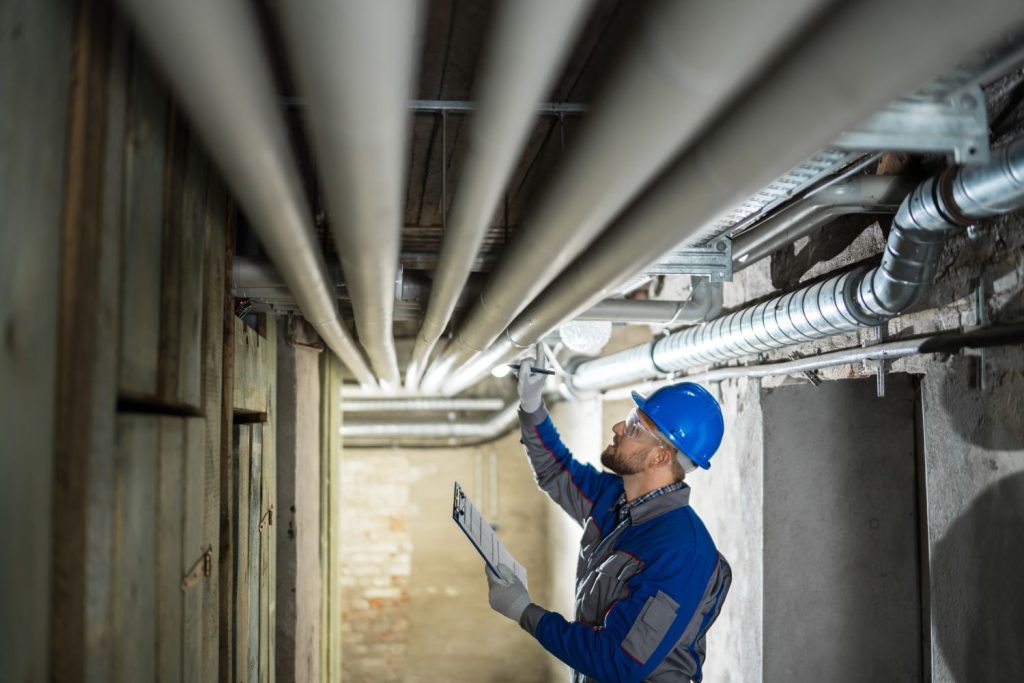
A yearly inspection is one of the easiest ways to stay ahead of costly repairs. A licensed plumber can check supply lines, test valves, look at your water heater, and catch small problems while they’re still cheap to fix. It’s like a checkup for your house. In our experience, the buildings that get checked on a schedule almost always have fewer surprise breakdowns.
If your home is older than 20 years or still has original pipes, think about booking a visit every six months instead. Of all the plumbing maintenance tips we share, this one saves people the most money over time. It also gives you a clear record of your system’s health.
Spot Leaks Early
Visible and Audible Warning Signs
Look for water stains on ceilings, bubbling paint, warped floors, or a musty smell under sinks. Listen too. A hissing sound in the walls or a toilet that runs on its own usually means water is escaping somewhere.
Water Meter Test for Hidden Leak
Turn off every tap and appliance, then note your meter reading. Wait two hours without using water. If the number has moved, you likely have a hidden leak.
Slab Leak Warning Signs
Warm spots on the floor, cracks in tile, or a water bill that jumps for no clear reason can point to a leak under your slab. These need a pro with detection tools.
Watch What You Flush and Pour Down Drains
Your toilet is only built to handle waste and toilet paper. So-called flushable wipes, paper towels, and cotton swabs don’t break down and can snag deep in your sewer line. The package label can be misleading.
In the kitchen, keep cooking grease, coffee grounds, and eggshells out of the sink. Grease cools into a thick layer that traps everything behind it. Pour it into a can and toss it in the trash instead. It’s one of those home plumbing maintenance tips that sounds small but prevents some of the worst clogs we deal with.
Don’t Ignore Slow Drains
A drain that takes a little longer to empty each week is giving you an early warning. Hair, soap scum, and grease slowly narrow the pipe until water barely moves. Catching it early is far easier than clearing a full blockage. Try a drain strainer and a monthly flush with hot water and a bit of baking soda. Skip harsh chemical cleaners, since they can eat away at older pipes over time. If several drains slow down at once, the problem is probably deeper in the main line and needs a professional look.
Maintain or Upgrade Your Water Heater
Hard South Florida water leaves sediment at the bottom of tank heaters, which makes them work harder and wear out sooner. Draining and flushing the tank once a year helps a lot. Test the pressure relief valve too, and check for rust or moisture around the base. Most tank units last about 8 to 12 years. If yours is getting close to that range, a tankless model can be worth a look. It heats water on demand and takes up far less space. Many families find the lower energy use pays off over time.
Prepare Your Plumbing for Hurricane Season
Storm season runs from June through November, and it’s tough on plumbing. These plumbing maintenance tips for Miami homeowners can make a real difference when a storm rolls in.
Know Your Main Shut-Off Valve
Find it now, not during an emergency. Make sure it turns easily and everyone in the house knows where it is. A bright tag makes it easy to spot.
Prevent Sewer Backups and Backflow
Heavy rain can overload city sewers. A backwater valve stops waste from flowing back into your home, and a tested backflow preventer keeps your drinking water safe.
Post-Storm Checklist
After the storm, check for low pressure, cloudy water, slow drains, or sewage smells before using fixtures normally.
Check Water Pressure and Aging Pipes
Water pressure that’s too high quietly strains every pipe, joint, and appliance in your home. It can also cause loud banging when taps shut off. A simple gauge from the hardware store screws onto an outdoor spigot and gives you a reading in seconds. Anything between 40 and 60 psi is healthy. Above 80 psi, a pressure regulator is a smart fix.
Pipe material matters too. Many homes built before the mid-1990s still have polybutylene or cast iron lines, and both are known to fail with age. If you’re not sure what’s behind your walls, have a plumber take a look.
Add Smart Leak Detection
Smart leak sensors are cheap, easy to install, and surprisingly useful. Place them near your water heater, washing machine, and under sinks, and they’ll send an alert to your phone the moment they sense moisture. Battery-powered models need no wiring and fit almost anywhere. Some systems go further and shut off your main water line automatically. If you travel often or spend summers up north, this is one of the best home plumbing maintenance tips to act on this year.
Schedule Routine Drain Cleaning
Even careful households build up gunk over time. Professional drain cleaning clears out grease, roots, and scale that a plunger can’t touch. Hydro jetting is especially good for this, since it scours the inside of the pipe with high-pressure water. It’s quick and causes little mess. A camera inspection first shows exactly where the trouble is. We usually suggest it every one to two years for most homes, and more often if you have large trees near your sewer line or a busy kitchen.
Know What to Do in a Plumbing Emergency
When a pipe bursts, speed matters more than anything. Shut off the main valve first, then turn off power to any area where water is pooling near outlets or appliances. Open a faucet to drain pressure from the lines, move valuables out of the way, and take photos for insurance. Keep a wrench near the valve so you’re not searching for one.
Then call a licensed plumber right away. For condo boards, landlords, and business owners, our team provides commercial plumbing maintenance in Boca Raton and across South Florida, with emergency service when it counts.
FAQs
How often should I have my plumbing inspected?
Once a year works for most homes. Older properties or homes with past leak problems benefit from a check every six months.
Are chemical drain cleaners safe for my pipes?
Not really. Used often, they can weaken older pipes. A strainer, hot water, and routine professional cleaning are safer choices. Enzyme-based cleaners are a gentler option.
What is a slab leak?
It’s a leak in the water lines running beneath your home’s concrete foundation, common in South Florida because so many homes sit on slabs. Watch for warm floors and rising bills.
Protect Your Home with Expert Plumbing Care
A little attention now saves a lot of stress later. Pick two or three of these plumbing maintenance tips and start this month, then build from there. Small habits really do protect your pipes for years. And if you manage a condo, rental building, or business property, Plumbing Inc is ready to help. Call us at 855-543-6030 for an estimate.