Commercial plumbing operates on a different scale than anything in a home, and the stakes rise with the size of the building. According to the EPA, commercial and institutional facilities use 17% of the water supplied by public systems in the United States, which gives some sense of how much moves through these properties every day. Understanding how the pieces fit together helps owners and managers spot problems early and plan smarter upgrades. Effective plumbing for commercial buildings comes down to four systems working in balance.
Getting Water Where It Needs to Go
The supply side does more than deliver water. In a multi-story or high-rise property, water has to be pushed upward against gravity, which means booster pumps and pressure zones keep flow steady from the ground floor to the top. Without that engineering, upper floors run dry while lower ones strain under too much pressure. Risers, valves, and backup capacity all have to be sized correctly, since a single weak point can affect tenants across many floors at once. In Florida’s tall coastal buildings, that engineering also has to account for hard use and constant demand, which is why the supply side is rarely as simple as it looks from a faucet.
Moving Waste Out Safely
Just as important is the drainage, waste, and vent system that carries everything away. Proper slope, venting, and trap design prevent backups and keep sewer gases from entering the building. Food-service tenants add another layer, because grease traps must capture fats and oils before they clog the line. Dependable restaurant plumbing services keep those traps maintained and compliant, which protects both the kitchen and every business sharing the same drainage system.
Protecting the Water Supply
Backflow prevention is the system most people never think about until it fails. Cross-connections between clean and used water can let contaminants flow backward into the drinking supply, so certified backflow devices sit at key points to stop that reversal. Most jurisdictions require regular testing, and for good reason, since a failure here becomes a public health issue rather than a simple repair. In a commercial setting, staying current on this is both a safety measure and a code obligation.
Keeping the System Reliable
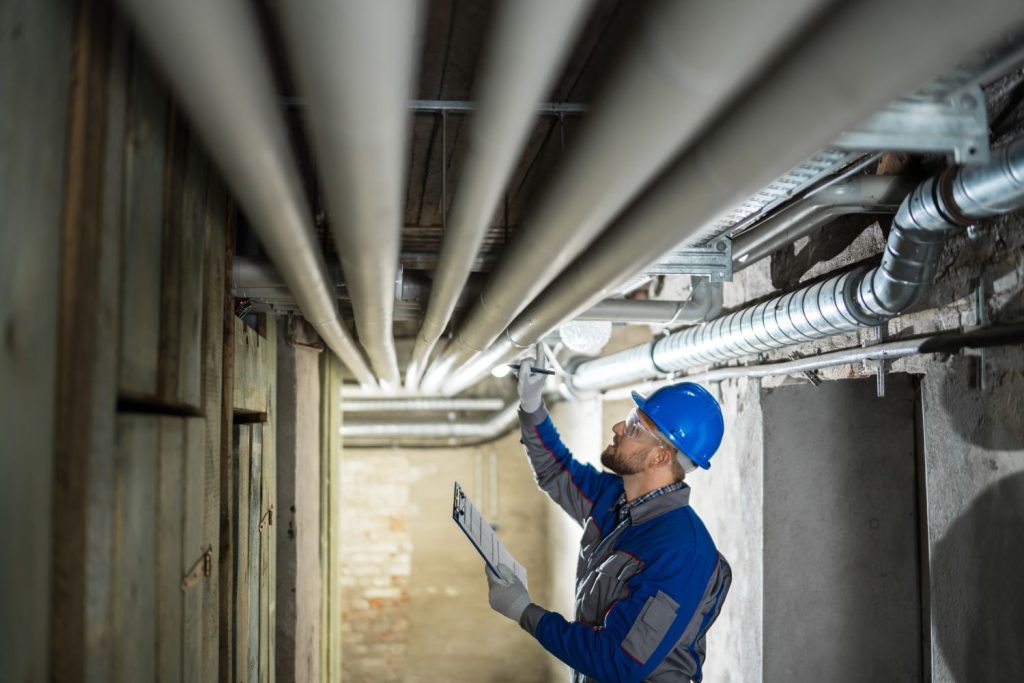
Even a well-designed building needs upkeep. Pipes age, joints loosen, and small leaks hide behind walls for months before they surface. Scheduled inspection and prompt commercial pipe repair keep minor issues from becoming floods that close a business for days. Proactive maintenance also extends the life of the whole system, which is far cheaper than reacting to emergencies one crisis at a time.
Conclusion
There are four interdependent systems in a commercial building which are water supply, drainage, backflow protection and maintenance. If you understand how they interact, you will have no trouble with budgeting, compliance and unforeseen costs. We are a licensed commercial and industrial plumbing company in South Florida specializing in high-rise water systems, backflow and grease traps and are here to provide you with all the resources you need to keep all of these systems running.